
Native Hedgerow Planting Plans for Tipperary Gardens
Learn how to plant whitethorn and hazel hedgerows that thrive in rural landscapes while supporting local wildlife.
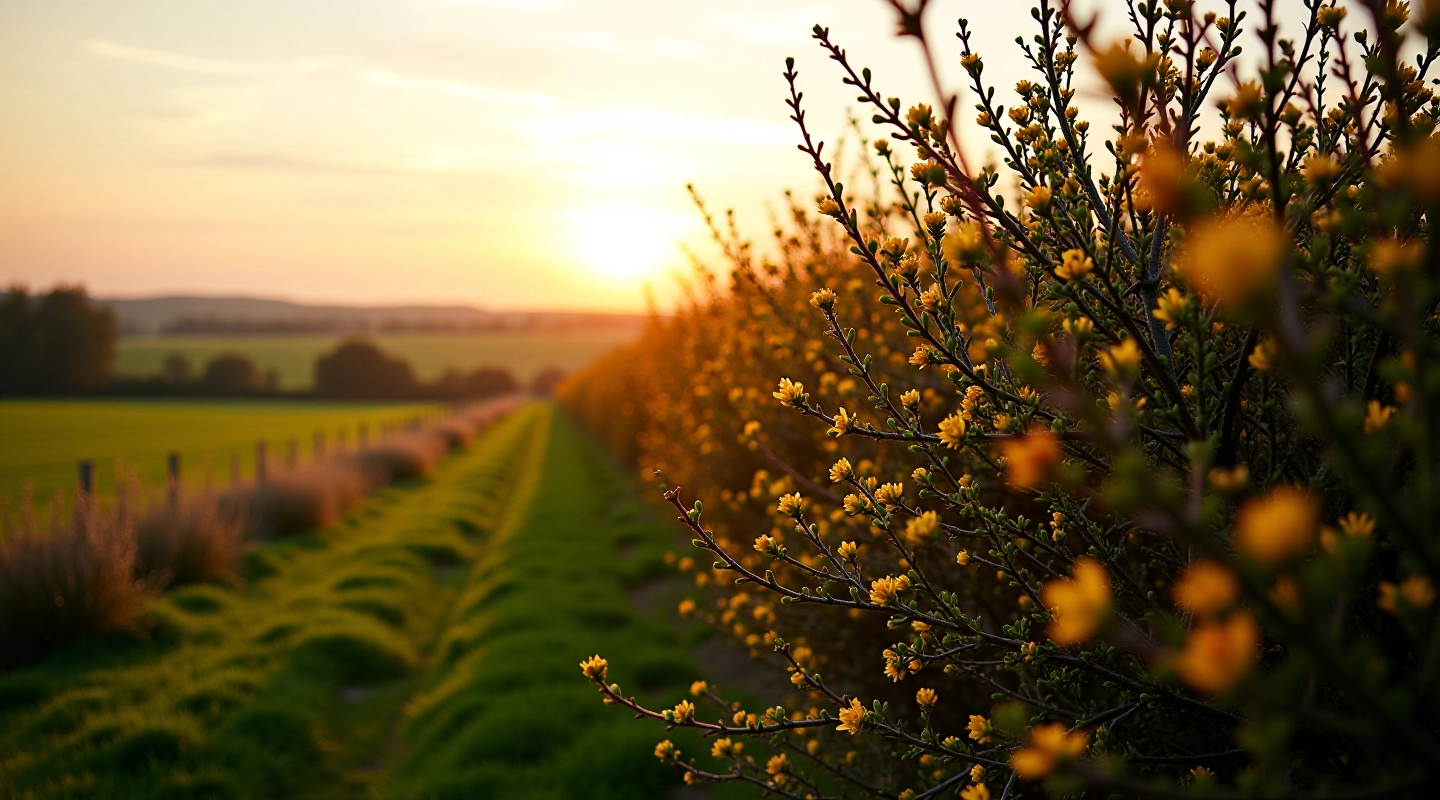
Why Choose Native Hedgerows
Whitethorn and hazel offer proven benefits for Tipperary gardens
Wildlife Habitat
Native species support local birds, insects, and small mammals. Your hedgerow becomes part of the natural ecosystem.
Low Maintenance Growth
Once established, these species require minimal intervention. They're adapted to Irish soil and climate conditions.
Year-Round Structure
White blossoms in spring, green summer foliage, autumn color, and winter branch structure create visual interest every season.
Natural Boundaries
Dense, thorny growth provides effective windbreaks and property boundaries without artificial fencing materials.
Understanding Your Hedgerow Options
Both whitethorn and hazel are traditional to Tipperary, each bringing distinct qualities to your garden. Whitethorn (Crataegus monogyna) produces delicate white flowers and bright red berries. It's extremely hardy and establishes quickly in most soil types. Hazel (Corylus avellana) grows taller and develops a more open structure, offering early catkins and useful material for garden work. Many gardeners combine both species to create layered hedgerows with visual interest and diverse benefits.
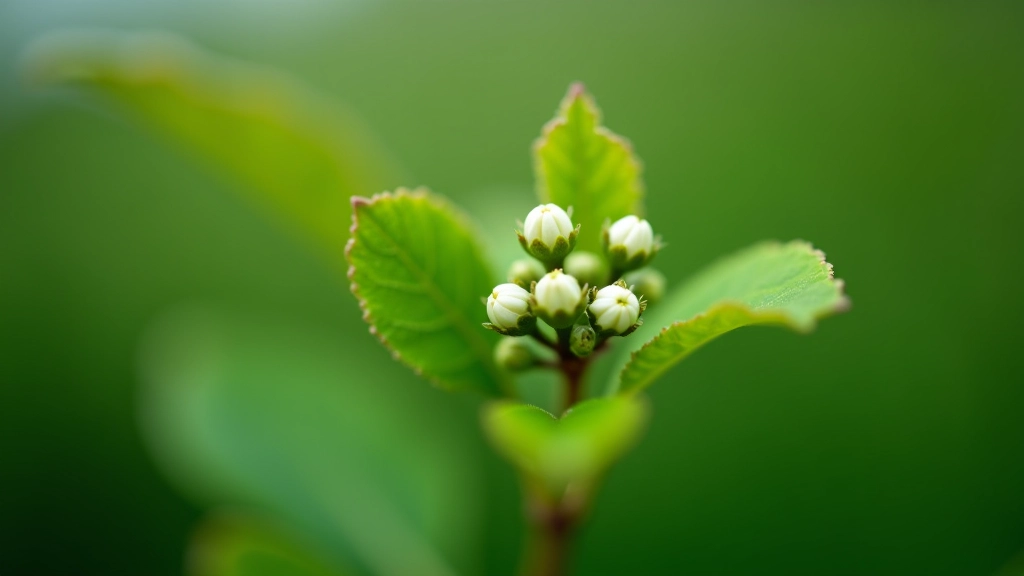
Your Hedgerow Timeline
What to expect from planting through establishment
Year One: Establishment
Plant in autumn or early spring. Focus on soil preparation and consistent watering through the first growing season. Don't expect rapid growth — plants are establishing root systems.
Year Two: First Growth
You'll notice visible growth now. Stems strengthen and lateral branches develop. Light pruning encourages bushier growth. Some plants may flower for the first time.
Years Three to Five: Maturation
Your hedgerow develops its character. Annual maintenance pruning shapes growth. Wildlife begins to use the established structure. Berries and catkins become more abundant.
Year Five and Beyond
Your hedgerow reaches functional maturity. It requires minimal care — just annual winter pruning. The ecosystem around it becomes increasingly diverse and self-sustaining.
Featured Planting Guides
Detailed resources for successful hedgerow establishment
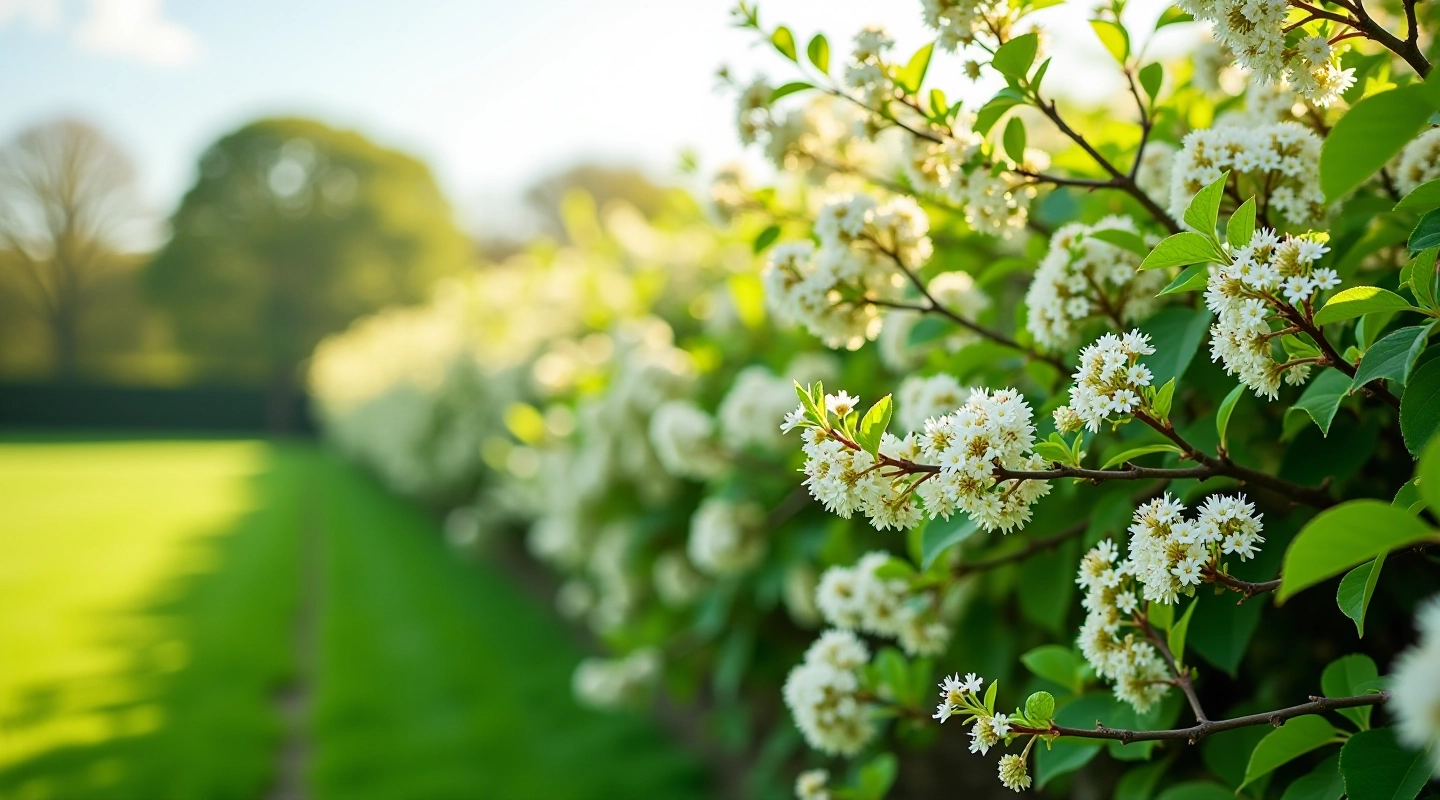
Complete Guide to Whitethorn Hedgerows
Everything you need to know about planting, spacing, and maintaining native whitethorn. Covers soil preparation, seasonal timing, and what to expect in your first five years.
Read Full Guide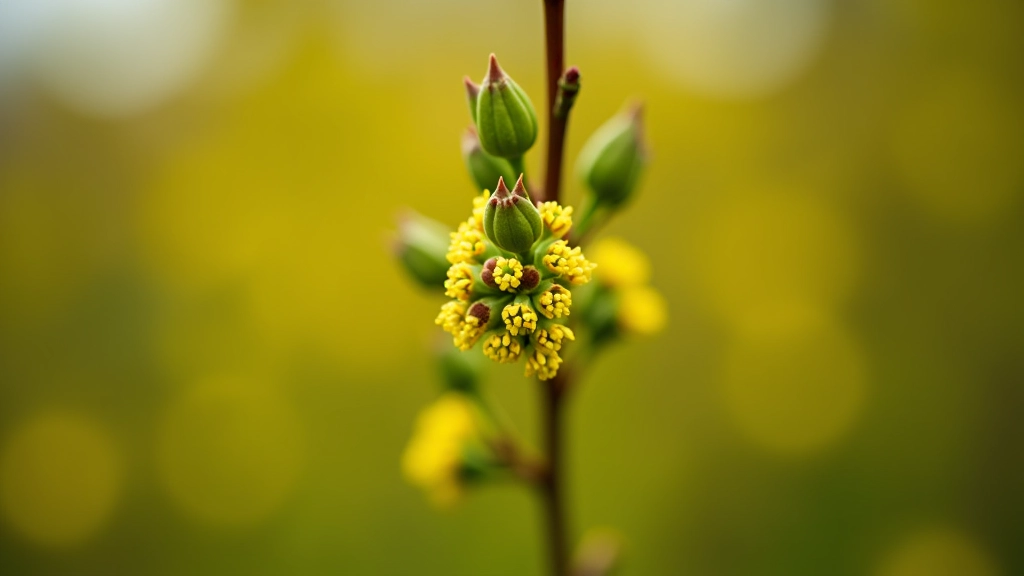
Hazel Hedgerows for Tipperary Gardens
Why hazel works so well in this region. Learn about local varieties, proper spacing, and how hazel supports wildlife while producing useful materials.
Read Full Guide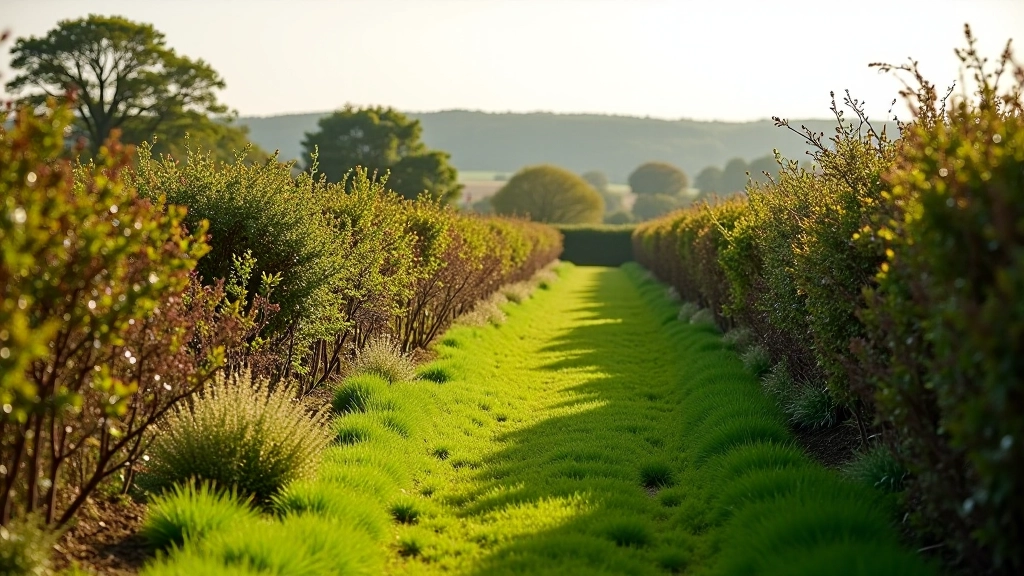
Combining Whitethorn and Hazel
Design hedgerows that blend both species for visual interest and wildlife benefit. Includes spacing patterns, complementary planting, and creating layered structure.
Read Full GuideReady to Plan Your Hedgerow?
Get personalized advice for your Tipperary garden. Share your site details and we'll help you design the right hedgerow solution.
Contact Us TodayLearn More First
Not sure where to start? Explore our complete guides to understand whitethorn, hazel, and mixed hedgerow options for your specific needs.
Browse All GuidesHedgerow Gallery
See native whitethorn and hazel in different seasons and settings
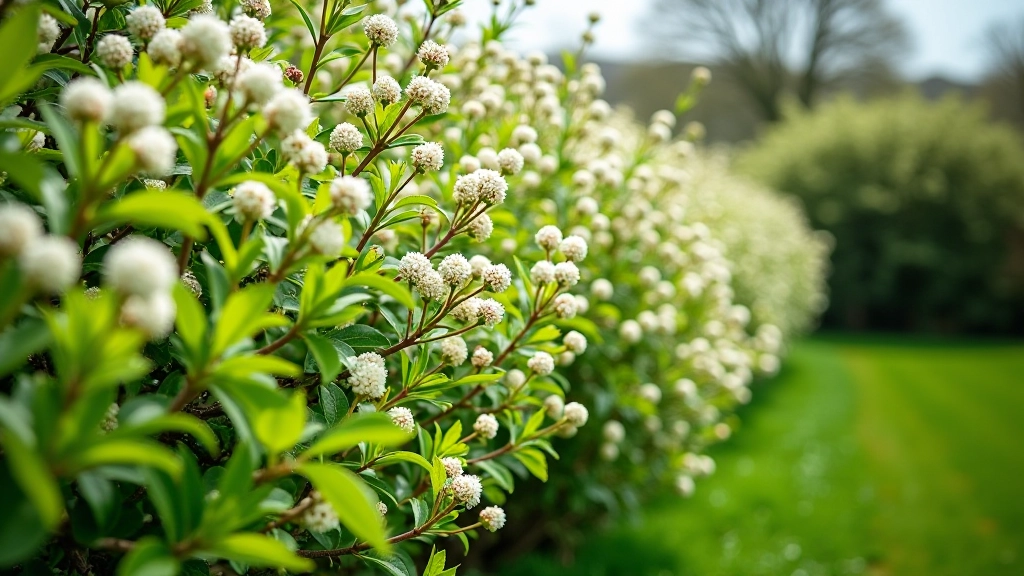
Whitethorn in Spring Bloom
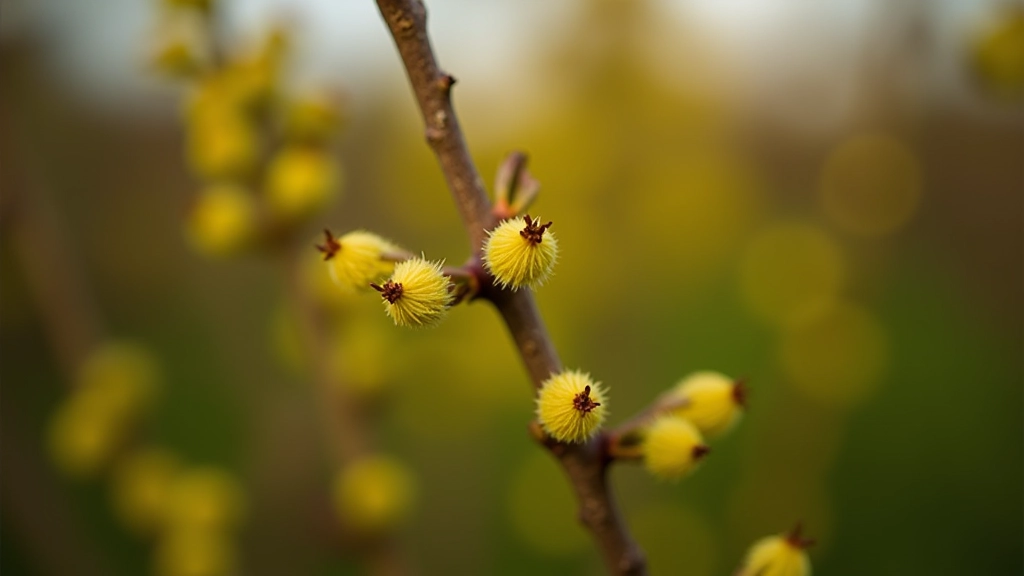
Hazel Catkins in Early Spring
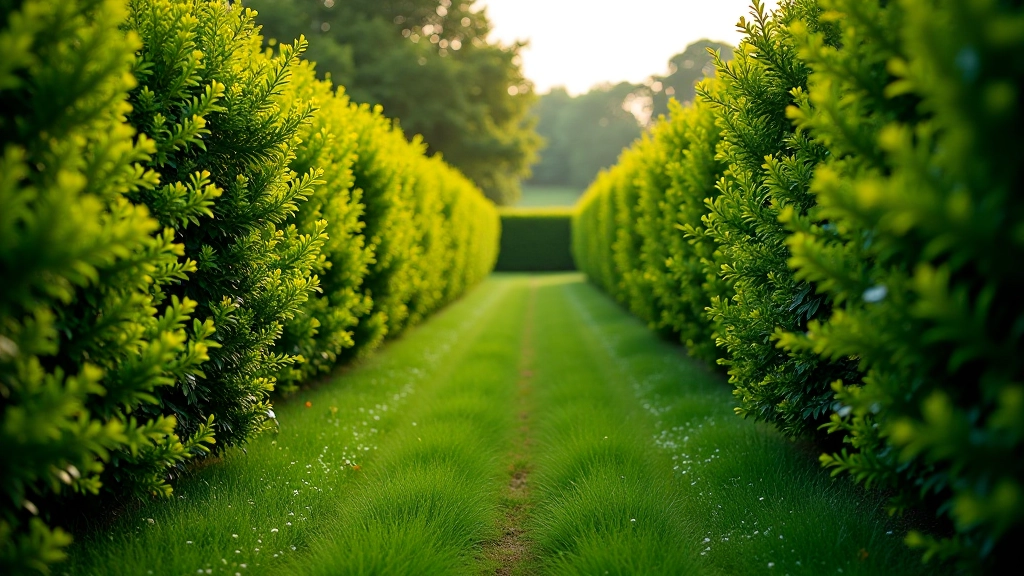
Summer Layered Growth

Common Questions
Autumn (September to November) is ideal, as plants establish roots during mild, damp weather. Spring planting (February to March) also works but requires more watering during dry spells.
Space plants 30-45 centimeters apart for a dense hedge. Closer spacing creates a tighter barrier faster. If budget allows fewer plants, 60 centimeters still works but takes longer to fill in.
Both species are adaptable. They prefer well-drained soil but tolerate clay. Add organic matter when planting. They don't like waterlogged conditions, so ensure water drains away from the root zone.
First year: minimal pruning. Years 2-3: light shaping to encourage branching. Year 3 onwards: annual winter pruning maintains shape and density. A single trim each winter is usually sufficient.
Yes, absolutely. Many gardeners alternate them or plant in clusters. This creates visual variety, extends the flowering period, and provides diverse wildlife benefits. They grow at similar rates, so there's no competition.
We use cookies to enhance your experience. By continuing to browse, you agree to our use of cookies.