
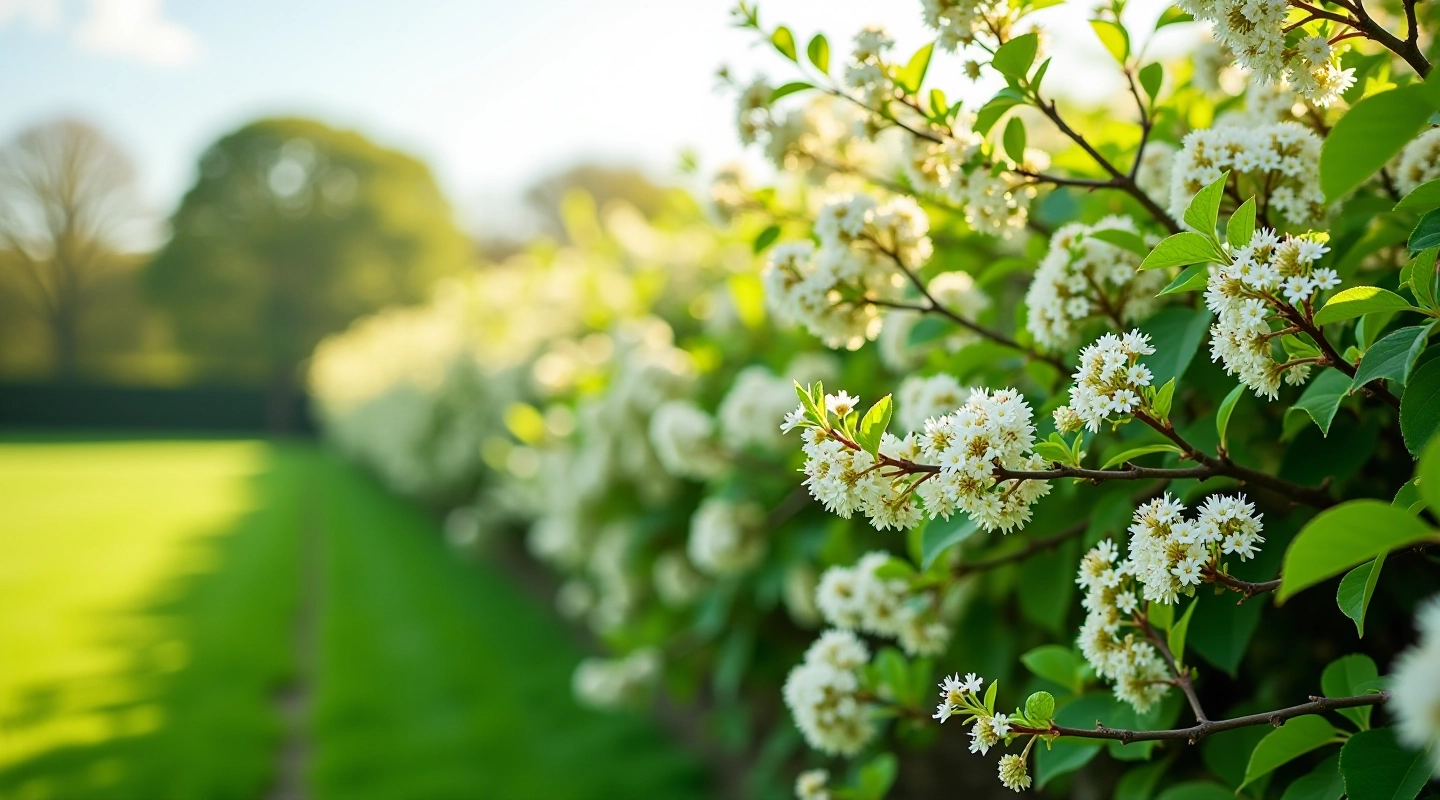
Complete Guide to Whitethorn Hedgerows
Everything you need to know about planting, spacing, and maintaining native whitethorn. Learn how to get the dense structure and spring flowers.
Read GuideDesign hedgerows that blend both species for visual interest and wildlife benefit
Author
Editorial Team
Written by the orbigate Editorial Team, focused on clear, practical guidance for planting native hedgerows in rural Tipperary gardens.
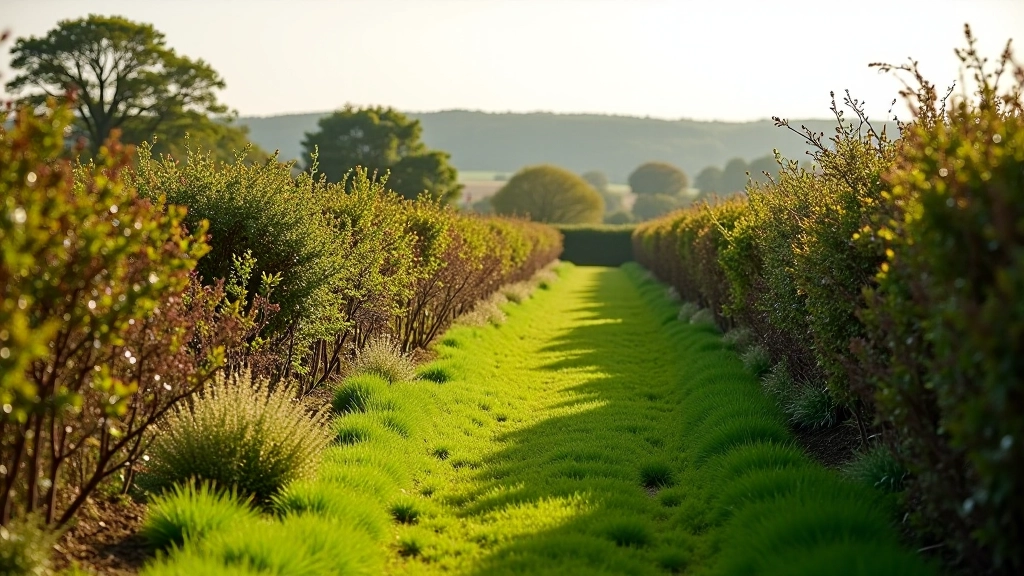
Whitethorn and hazel are a natural pairing in Irish hedgerows. They're not just compatible — they're complementary. Whitethorn gives you dense structure and those brilliant white flowers in spring. Hazel brings catkins in early February, hazelnuts for wildlife, and softer texture through the year. Together, they create layered visual interest that changes through the seasons.
The thing is, they grow at slightly different rates and have different habits. That's actually an advantage. You'll get a more complex, resilient hedge than planting either species alone. Plus, the wildlife loves the combination — different insects and birds are attracted to each species, meaning your hedgerow becomes a proper habitat.
You don't need to alternate them in a rigid 1-1-1 pattern. Real hedgerows are messier than that — and that's fine. What matters is having enough of each species to see their individual character while they grow together.
A practical approach: plant whitethorn in clusters of 2-3, then a gap of about 60cm, then 2-3 hazels. Repeat this pattern along your line. This creates pockets where each species can establish without competing directly. By year three or four, they'll fill those gaps and merge into one cohesive structure.
If you're planting a 10-metre section, aim for roughly 60% whitethorn and 40% hazel. That ratio gives you the density you want while letting hazel's distinctive features show through. You can adjust based on what appeals to you visually — there's no absolute rule here.
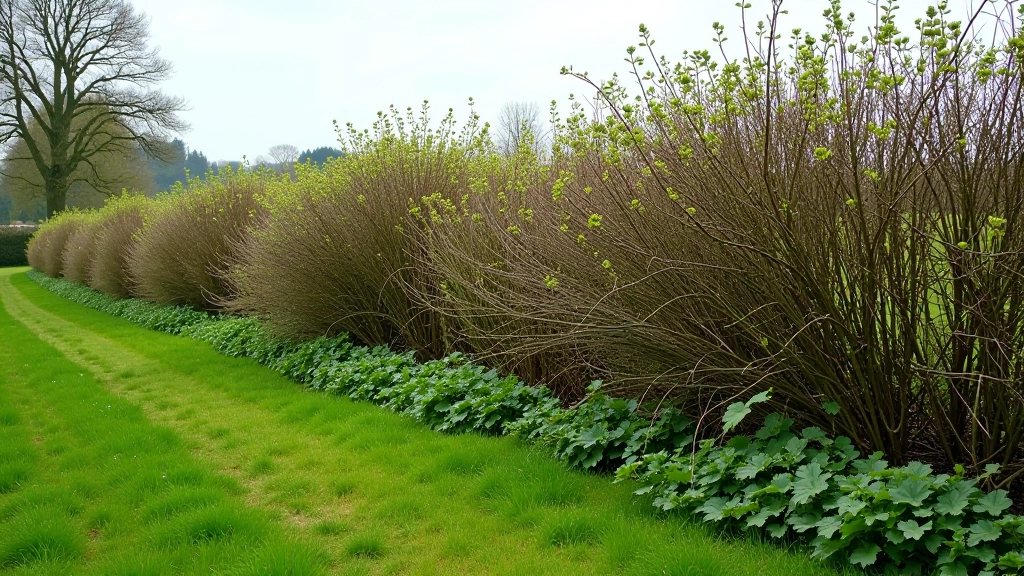
Layering is the secret to a hedge that looks good and functions well. You're not aiming for a flat wall — that's boring and bad for wildlife anyway. Whitethorn naturally grows upright and dense. Hazel is more spreading and open. Use that difference.
Plant whitethorn slightly further back (10-15cm deeper into your planting line). This becomes your structural backbone. Hazel goes in the foreground, where its spreading growth habit creates that softer, more varied silhouette. As they grow, the whitethorn supports the hazel, and you get depth. When you look at it from the side, you'll see multiple layers rather than one flat profile.
This isn't complicated — it's just about understanding how each plant grows naturally and positioning them accordingly. In about five years, you'll have a hedge that's thick, diverse, and genuinely interesting to look at.
This is one of the best parts about having both species together. Your hedgerow changes constantly through the year, and that's visually rewarding.
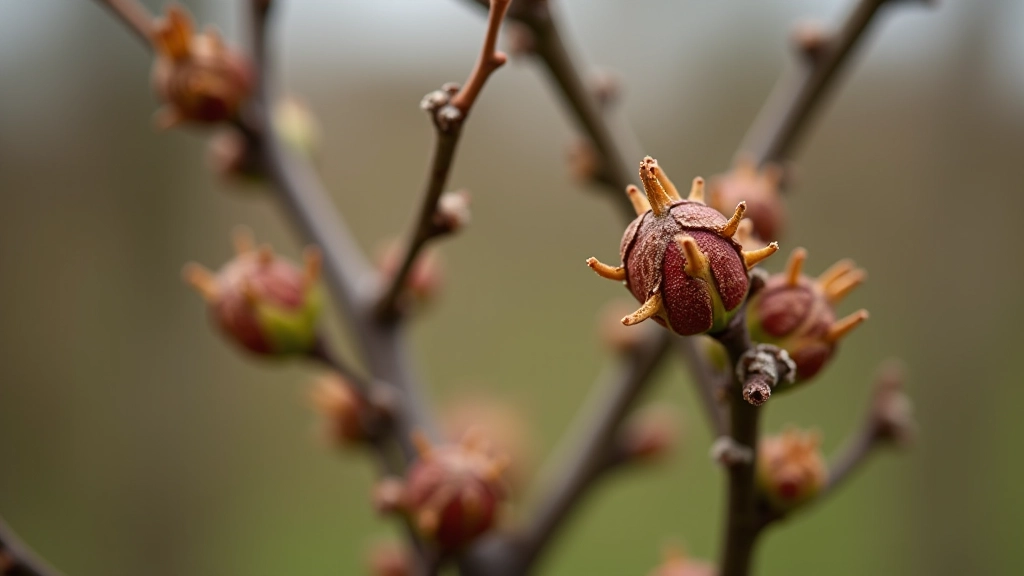
Hazel catkins appear first — those dangly yellow structures that look like little brushes. Whitethorn buds are swelling. You'll see the hazel's outline most clearly right now.
Whitethorn flowers are spectacular — masses of white blossom covering the entire plant. Hazel's catkins are fading but leaves are emerging. The contrast is stunning.
Both species are fully leafed and green. The hedge is dense and provides proper shelter. Hazel starts developing hazelnuts. You won't see the structure, but it's working hard underneath.
Leaves drop. You'll see the architecture of both species. Hazel's more delicate branching becomes visible. This is when dormant pruning happens. Hazelnuts fall and feed wildlife.
The first year is critical for both species. They're establishing root systems, and you want them to do that without stress. Bare-root plants go in November through March — that's your window. Container plants can go in anytime, but autumn or early spring is still best.
Whitethorn is tougher — it'll survive poor conditions that would stress hazel. But don't test that. Both species want decent soil preparation. Work in compost or well-rotted manure. Add a mulch layer (5-8cm) around each plant after planting. This keeps moisture in and weeds out.
Watering matters in year one. If you've got a dry spell, water fortnightly. Don't wait for the plants to look distressed — they'll recover, but it sets them back. Once established, both species are fairly drought-tolerant. By year two, you're mostly just pruning and letting them grow.
Don't be tempted to trim them hard in year one. Let them develop their structure. A light tidy-up in year two is fine. Serious shaping starts in year three when they've got proper size.

Deepen your understanding of native hedgerow planting with these practical guides.
Everything you need to know about planting, spacing, and maintaining native whitethorn. Learn how to get the dense structure and spring flowers.
Read Guide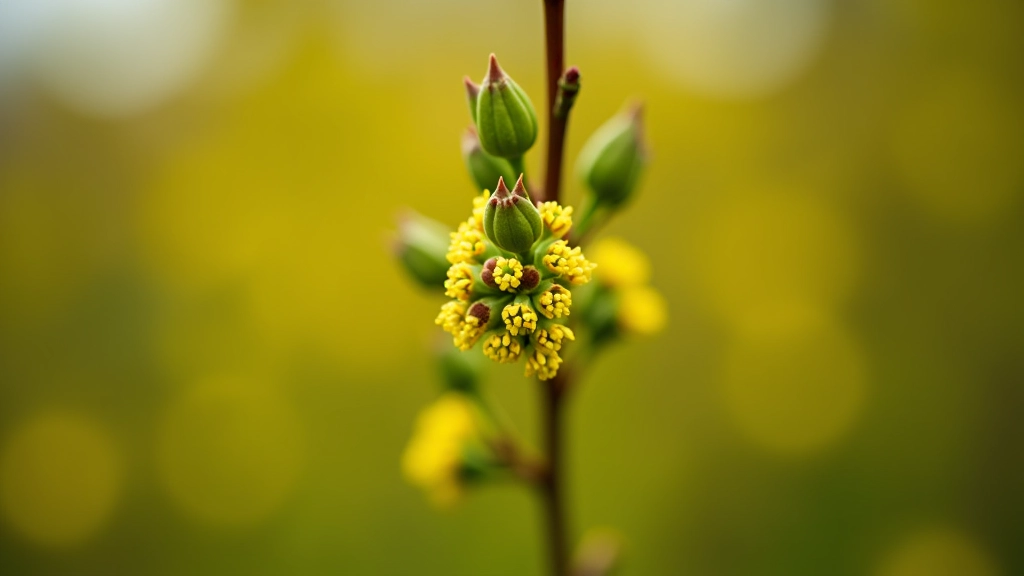
Why hazel works so well in this region. Learn about local varieties, proper spacing, and getting the most from this versatile species.
Read Guide
Step-by-step instructions for planting your hedgerow. Covers site preparation, timing, watering, and protecting young plants through their critical first year.
Read GuideThis guide provides general information about combining whitethorn and hazel in hedgerow design. Growing conditions, soil types, and climate factors vary by location. We recommend consulting with local horticulturists or agricultural advisors before starting large-scale planting projects. Always verify local regulations regarding native species planting in your area.
A mixed whitethorn and hazel hedgerow isn't more difficult than planting a single species — it's just about understanding how each one grows and positioning them to work together. You'll get more visual interest, better wildlife value, and a hedge that genuinely improves your garden.
The beauty of this combination is that you're not fighting nature. These plants evolved together in Irish hedgerows. You're just recreating something that's proven to work. That confidence is worth a lot when you're committing to a long-term planting project.
Start with good soil preparation, give them space to establish, and don't rush the pruning. By year five, you'll have a proper hedge that changes through the seasons and does exactly what a hedgerow should do — create shelter, feed wildlife, and look genuinely good while it's doing it.