
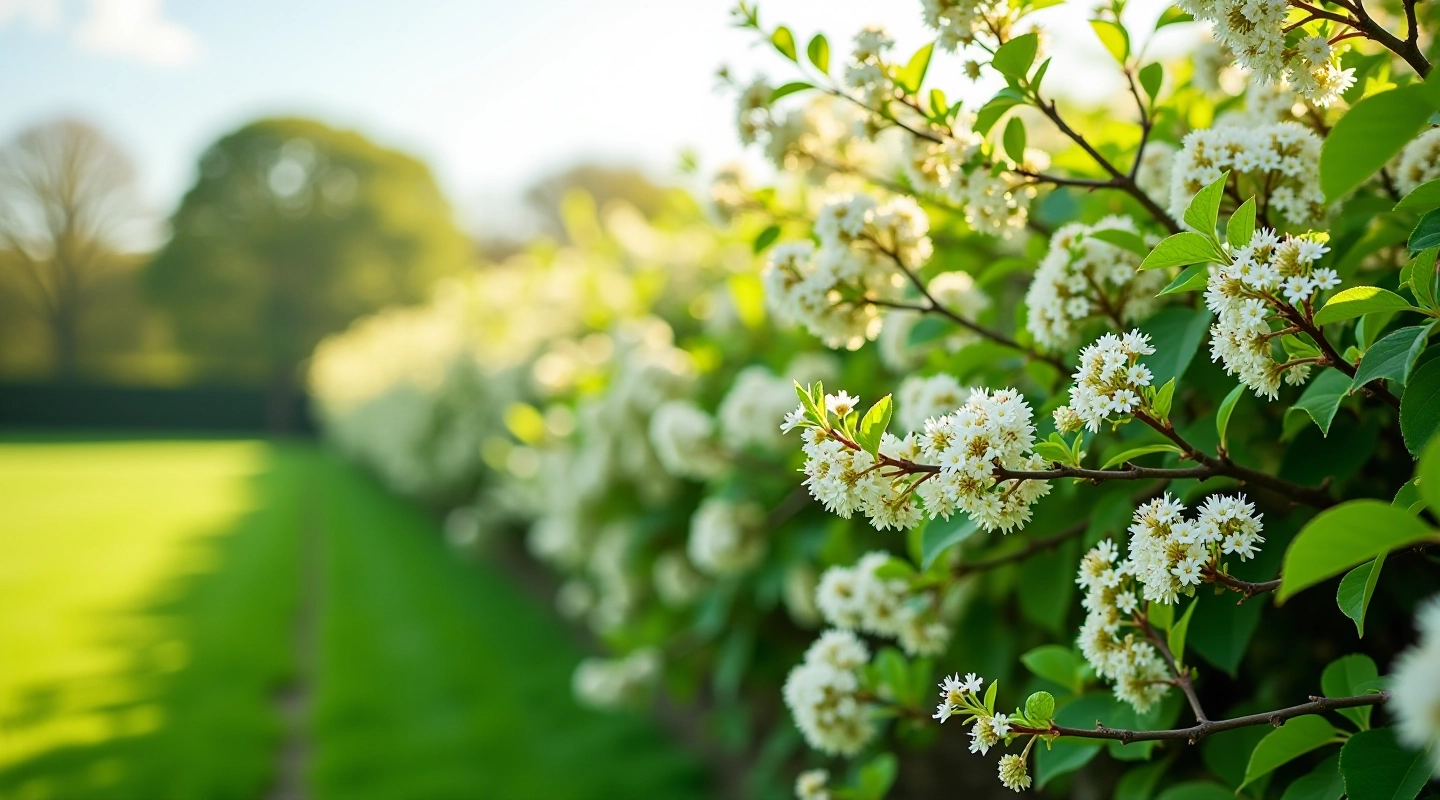
Complete Guide to Whitethorn Hedgerows
Everything you need to know about planting, spacing, and maintaining native whitethorn. Learn why it's the backbone of Tipperary hedgerows.
Read GuideYour hedgerow's first year is crucial. We'll walk you through every step — from site prep and proper spacing to watering schedules and spotting problems early. Get it right from the start, and you'll have a thriving native hedge for decades.

Written by
Editorial Team focused on clear, practical guidance for planting native hedgerows in rural Tipperary gardens.
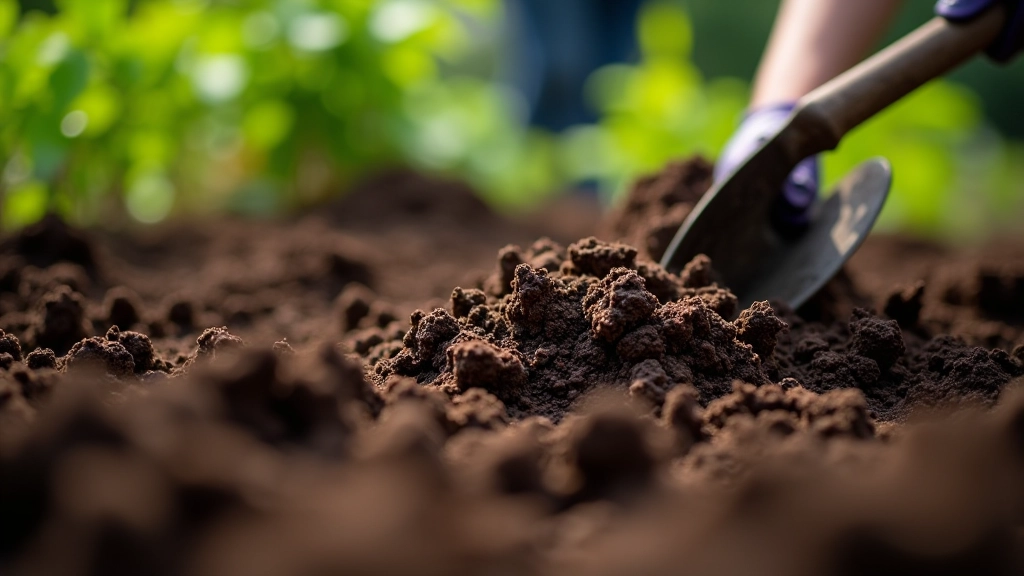
The ground you're working with sets the tone for everything that follows. You'll want to clear your planting area thoroughly — remove any existing grass, weeds, and debris. Most people underestimate how much work this is, but it's genuinely worth the effort. If you're dealing with heavy clay or compacted soil, loosen it with a fork. Break up any hard pan about 12 inches deep.
Test your soil if you can. You don't need expensive lab work — a simple soil test kit tells you if you're working with clay, loam, or sandy soil. Native hedgerow plants are adaptable, but they'll establish faster in decent soil. If you've got heavy clay (which is common in Tipperary), mix in some compost or well-rotted organic matter. About 2-3 inches worked into the top 6 inches of soil makes a real difference. And here's the thing — you'll see this investment pay off in faster growth and healthier plants.
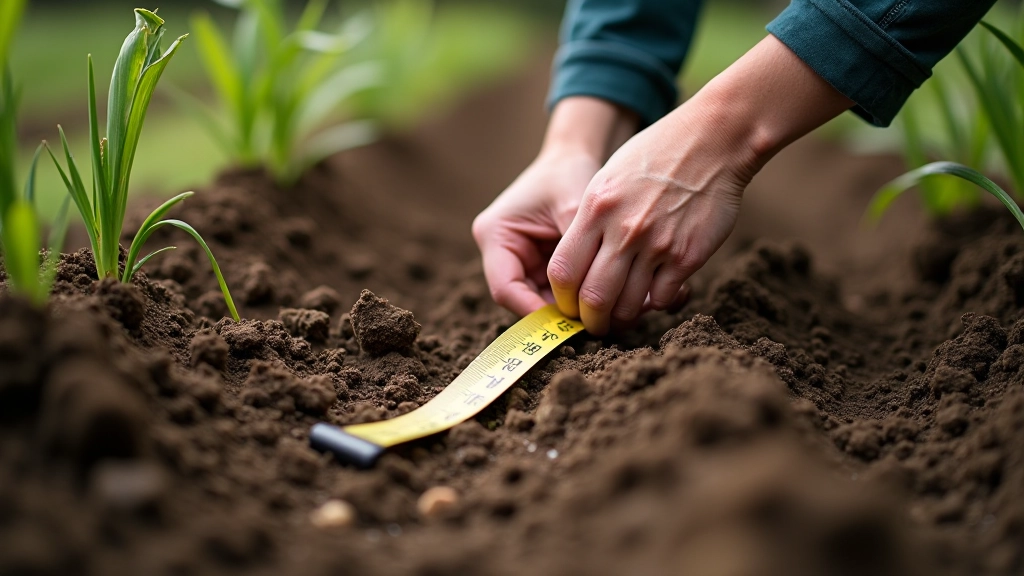
Spacing is one of those decisions that feels small now but matters enormously later. Plant whitethorn and hazel too close together, and you'll create a dense, congested hedge that's prone to disease. Too far apart, and you'll wait years for a decent thick screen.
Here's what works: Space whitethorn saplings about 18 inches apart. Hazel can go at 20 inches. If you're mixing species, alternate them or plant in small clusters — a couple of whitethorn, then a hazel, then back to whitethorn. This creates visual interest and better wildlife value.
Pro tip: Use a string line and mark spacing points with small sticks before you start digging. You'll stay straight, keep measurements consistent, and the actual planting goes faster.
This guide provides educational information about hedgerow planting and establishment. Local conditions vary significantly based on soil type, rainfall, and microclimate. What works in one Tipperary garden may need adjustment in another. Always observe your specific site carefully during that first year. If you're unsure about soil conditions, drainage, or local regulations, consult with a local agricultural extension service or experienced gardener in your area.
Timing matters. October through March is your window — that's when plants are dormant and establish roots before spring growth. You can plant earlier in autumn (late September) or wait until February, but avoid planting in frost or waterlogged conditions.
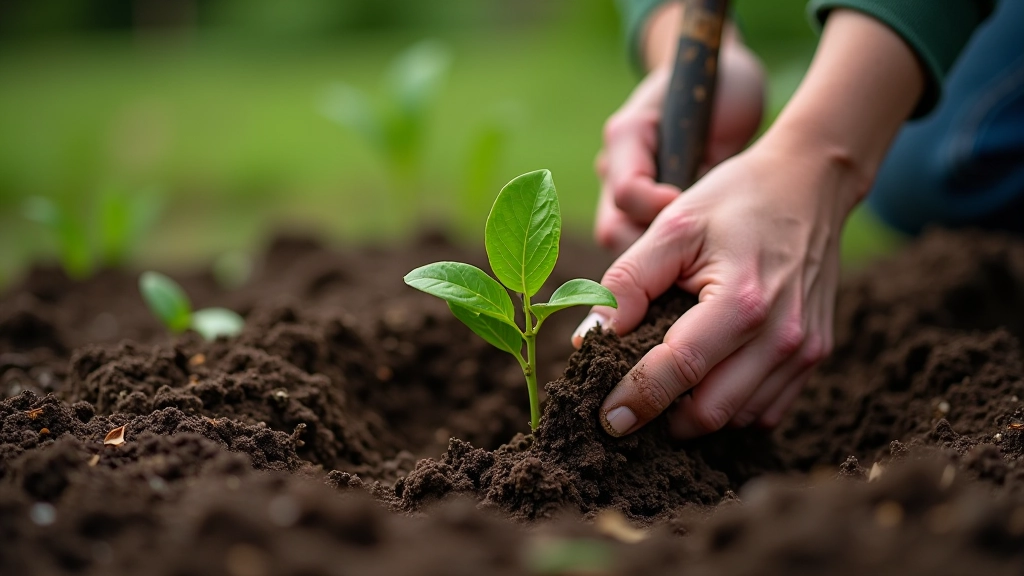
Dig a hole slightly larger than your sapling's root ball. Don't go crazy with deep holes — the most common mistake is planting too deep. The soil line on the sapling should sit right at ground level. Backfill with a mix of native soil and compost. Firm it down gently with your hands, not your boots — you want good contact without compacting.
Water immediately after planting. This settles soil around the roots and removes air pockets. If you're planting a larger section, you might consider a mulch layer — 2-3 inches of woodchip around the base helps retain moisture and suppresses competing grass. Keep the mulch a few inches away from the sapling stem itself to prevent rot.
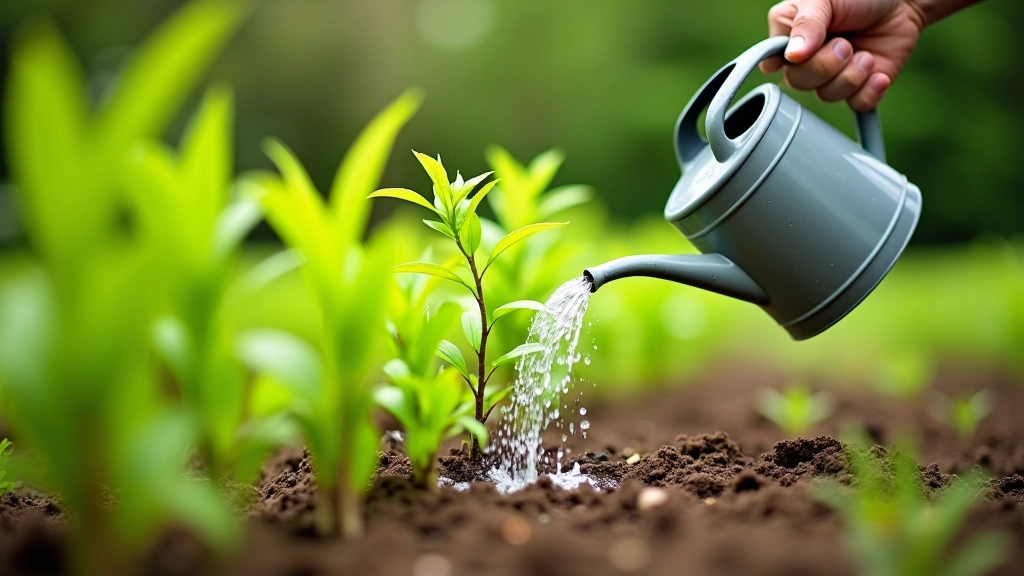
This is where many first-year hedgerows fail. Newly planted saplings haven't developed deep roots yet, so they're vulnerable to drought stress. You've got to water regularly, especially during dry spells.
Spring and early summer (April-June): Water deeply once or twice per week. "Deeply" means soaking the root zone, not just a quick sprinkle. Give each plant 5-10 liters per week depending on rainfall.
Midsummer (July-August): This is critical. If you're in a dry spell, you might need to water every few days. Watch for wilting leaves — that's your signal to water immediately.
Autumn (September-October): Gradually reduce watering as temperatures drop and growth slows. By late autumn, natural rainfall usually handles it.
Explore related guides to deepen your knowledge
Everything you need to know about planting, spacing, and maintaining native whitethorn. Learn why it's the backbone of Tipperary hedgerows.
Read Guide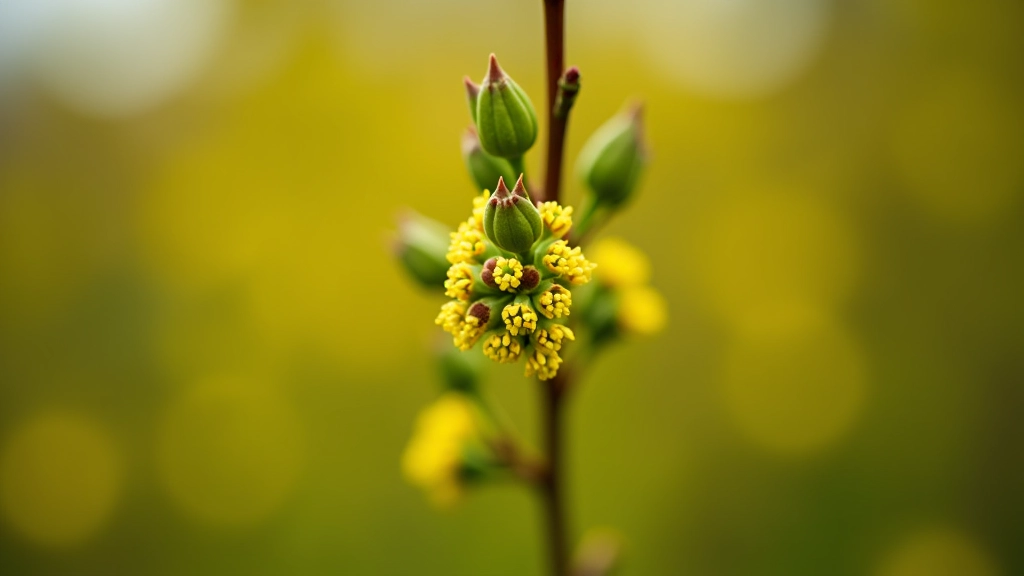
Why hazel works so well in this region. Learn about local varieties, proper spacing, and the benefits for wildlife and landscape.
Read Guide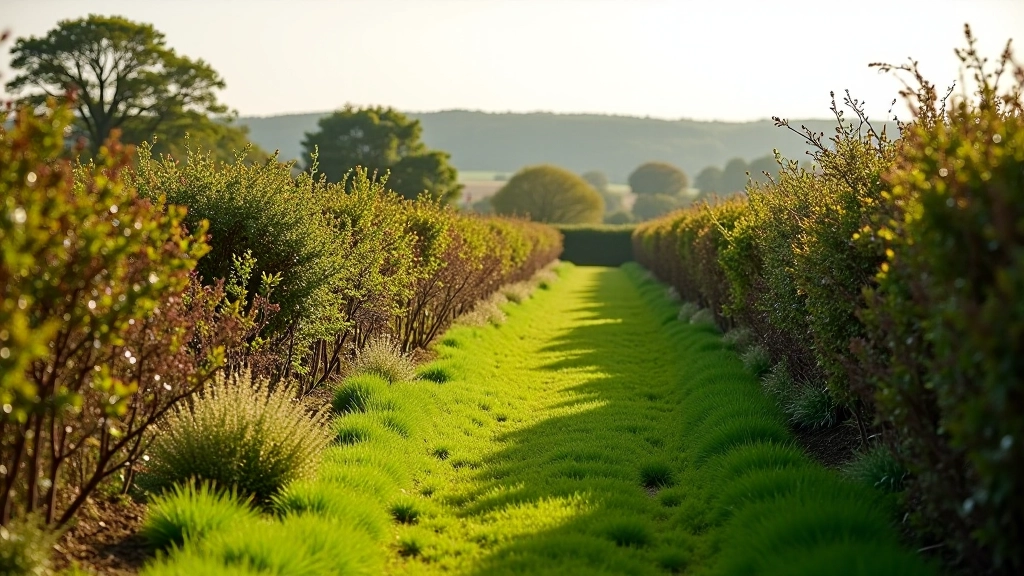
Design hedgerows that blend both species for visual interest and wildlife benefits. Create the perfect mix for your garden.
Read GuideMost issues in year one are preventable if you catch them early. Here's what to monitor:
Usually means drought stress or waterlogging. Check soil moisture — it should feel damp but not soggy. If you're in a drought, increase watering frequency. If the soil stays wet, you might have a drainage issue that needs addressing before next season.
Young saplings can attract rabbits, deer, or insects. If you've got wildlife pressure, consider temporary guards around individual plants. They're inexpensive and come off after the first year once plants are established.
Grass and weeds grow faster than your saplings. Mulching helps, but you'll still need to pull competing plants around the base. Spend 15 minutes every month clearing a 12-inch circle around each plant.
After hard freezes, soil expansion can push young plants out of the ground. If you notice roots exposed in spring, gently firm soil back around the base. It's not usually fatal, but it does stress the plant.
That first year really is the foundation. You're not just planting saplings — you're establishing a hedge that'll grow for 30, 40, or even 50 years. The effort you put in now determines whether you've got a thriving wildlife haven or a struggling, patchy line of plants.
It doesn't take much. Regular watering during dry spells, clearing weeds, watching for problems — these aren't complicated tasks. They're just consistent ones. And here's the good news: once you hit year two and the root systems are established, things get easier. The plants take off, the watering becomes less critical, and you can sit back and watch your native hedgerow develop.
Ready to get started? Learn more about whitethorn and hazel varieties that thrive in Tipperary.
Explore Planting Guides